College Football Home Field Advantage: How It Affects Betting Odds and Spreads
Ever notice how a ranked team can look ordinary on the road and unstoppable at home? That is home-field advantage, and in college football, it might be the single most underrated factor on the board. A hostile crowd, a long road trip, and a stadium built for chaos can all bend the result before kickoff. Get to grips with how it moves the College Football Betting Odds, and you will read spreads like a sharp instead of a fan.


Published July 13, 2026

What Home Field Advantage Means in College Football
Home-field advantage is the measurable edge a team gets from playing on its own turf. It comes from a mix of factors: a raucous home crowd, familiar surroundings, no travel fatigue, and officials who can be subtly swayed by tens of thousands of fans roaring on third down.
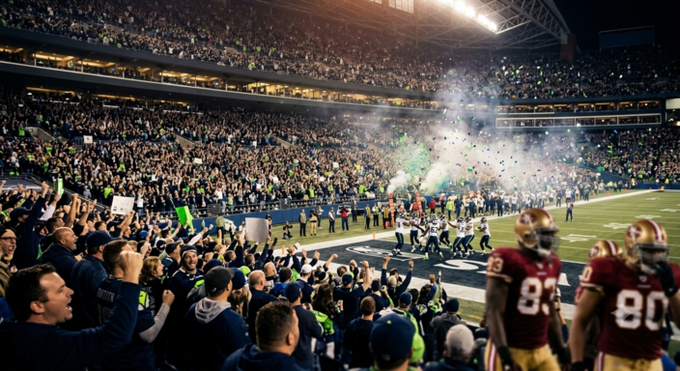
In college football, the effect is amplified. Programs draw enormous, passionate student sections, and campus stadiums create atmospheres you simply do not get anywhere else. That energy translates into false starts, blown assignments, and momentum swings that show up on the scoreboard.
How Home Field Shows Up in the Spread
Oddsmakers bake home-field advantage into the point spread before you ever see it. The long-standing rule of thumb is worth roughly three points, meaning a team that would be even with an opponent on neutral ground might be favored by a field goal at home.
That number is not fixed. Elite home environments can be worth more, while programs with quiet stadiums or shared pro venues may get less. A chunk of the spread is already accounting for where the game is played, not just how good each team is. Comparing the current College Football Betting Odds with your own read on the matchup is how you spot a line that has leaned too hard on the venue.
Why College Home Field Runs Deeper Than the NFL
Home field is a factor in every sport, but college football takes it to another level, and there are concrete reasons why.
- Crowd size and noise. Many college stadiums seat far more fans than NFL venues, and student sections bring relentless volume.
- Travel and time zones. A West Coast team flying east for a noon kickoff is fighting its own body clock as much as the opponent.
- Unique environments. Altitude, humidity, and iconic venues each create a distinct challenge for visitors who rarely play there.
- Youth and inexperience. College rosters are full of young players, and a deafening road crowd rattles a freshman far more than a seasoned pro.
Stack those factors together, and it is easy to see why road underdogs cover at a notable clip, and why blindly backing a big favorite on a tough road trip can burn you.
How Home Field Affects the Moneyline and Totals
The spread is not the only market that moves. On the moneyline, a home team's price shortens because the book expects the venue to help it prevail. If you fancy a roadside, the payout is often longer precisely because it is doing something difficult.
Totals feel it too. A loud, run-heavy home team that leans on its crowd and the clock can drag a game under, while a fast home offense feeding off the energy can push a total over. Read the environment, not just the talent, before you commit to a number.
When Home Field Matters Most, and Least
Home field is not a flat bonus applied to every game. Context sharpens or softens it.
- Rivalry and night games. Prime-time kickoffs and hated rivals crank the atmosphere to its peak. The home edge is at its strongest here.
- Neutral-site games. Many marquee openers and conference title games are played at neutral venues, which strips away the home-field advantage entirely. Do not price in an advantage that is not there.
- Bowl season. Bowl games are neutral by design, and some effectively become road games for a team traveling far from campus. Location still matters, just not in the usual way.
Using Home Field in Your College Football Betting
Knowing the theory is one thing. Turning it into smart bets is another. Keep these ideas in mind.
- Weigh the venue, not just the ranking. A modest team at a fortress can be tougher than its record suggests.
- Fade tired travelers. Look for road teams crossing time zones or playing an early kickoff far from home.
- Respect neutral sites. Strip the home bump out of your own number when the game is on neutral ground.
- Watch the line move. If a home favorite's spread keeps climbing, the market may be leaning on the venue. Decide whether that matches your reading.
None of this is a system that beats the book. Home field is one input among many, so use it to sharpen your read, stake responsibly, and treat every card as entertainment.
Pre-Match vs Live Betting on Home Field
Before kickoff, the spread already reflects the venue, so your job is to assess whether the market has priced it correctly. That is where your homework on travel, crowd, and matchup pays off.
Once the game starts, the picture can flip fast. If a road team silences the crowd early or the home side rides its atmosphere to a fast start, BetWhale's live betting board updates in real time, letting you back the momentum you are actually watching.
How to Bet College Football at BetWhale
- Sign in, or open a new account in a couple of minutes.
- Select your game and compare the spread, moneyline, and total.
- Factor the venue into your read, then pick your market.
- Add it to your bet slip, set your stake, and confirm.
Once you have your Saturday card set, the NFL board brings the same home-field angles to Sundays, and the esports markets keep the action going all week.