
College Football Ranked Matchup Betting: How Top 25 Rankings Move the Line
College football rankings heavily shape public perception, driving significant line movement across Saturday matchups. However, poll positions reflect voter reputation rather than true oddsmaker power ratings.


Published September 17, 2026
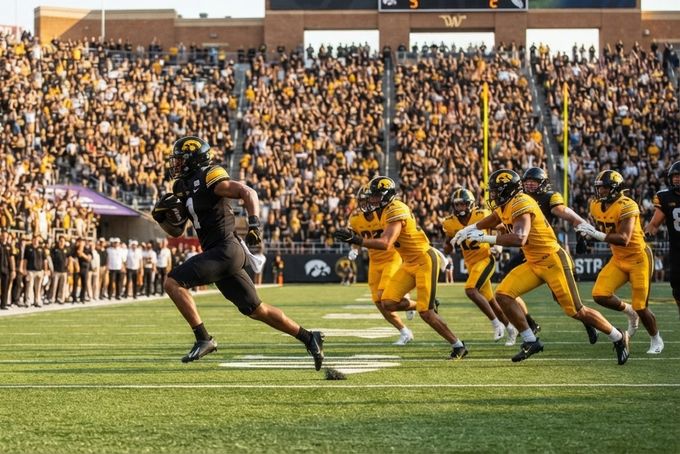
A number next to a team name changes everything about how a game gets bet. Put a No. 6 in front of one side and the public arrives in force, the spread drifts, and by Saturday the price looks nothing like it did on Monday. Understanding college football rankings betting means understanding that a poll position is a reputation, not a rating, and that the gap between the two is where value lives.
The Rankings That Actually Matter
Three sets of rankings circulate each season, and each serves a different purpose.
- The AP Poll is voted on by media members and released weekly. It carries the most public visibility and shapes how casual bettors see a matchup.
- The Coaches' Poll is voted on by coaches who cannot watch every team every week. It moves more slowly and rewards established programs.
- The selection committee rankings are released later in the season and determine postseason positioning. They matter for motivation and for how teams approach late-season games.
None of them is used to set a betting line.
Rankings Are Not Power Ratings
Oddsmakers price games using power ratings, which estimate how strong a team is right now on a points-per-game basis, adjusted for opponent, pace, and situation. Polls measure something different: what a team has already accomplished, filtered through voter perception.
The two diverge constantly. A team ranked in the teens can be rated stronger than one in the top eight. An undefeated program with a soft schedule sits far higher in a poll than in any rating system. A one-loss team beaten narrowly on the road by an elite opponent is usually better than its ranking suggests.
Polls are also lagging indicators. They respond to results, not to information. A team that lost its starting quarterback on Saturday will still be ranked roughly where its record suggests it should be on Sunday, while the market has already repriced the following week's game.
How the Poll Moves the Line
The line is not moved by the ranking. It is moved by the betting that the ranking attracts.
A newly ranked team, or one that jumps several spots, draws bettors who use the poll as a shortcut for quality. That action pushes the number, often by a point or more, without anything about the team changing.
The clearest version of this is the ranked road favorite. A top-10 program traveling to an unranked conference opponent will frequently be laid more points than the matchup deserves, because the ranking is doing persuasive work that the underlying numbers do not support. Conference opponents know each other, the environment is hostile, and the talent gap is smaller than the poll implies.
Watch where a number opens on Sunday against where it sits by Friday. That drift tells you where the public went.
Top 25 Against Top 25
When both teams carry a ranking, the dynamic changes completely.
These games attract the heaviest action of the weekend, which means the market is sharper. More attention brings more informed opinion, and the price tends to land close to fair. There is less soft value in a marquee top-10 clash than in an obscure conference game the same afternoon.
That does not make them unbettable, but your edge has to come from something specific: a matchup detail, an injury the market has underrated, a scheme clash, or a read on how the game will be played rather than who is better. Betting a ranked matchup because both teams are good is not a position.
Ranked Against Unranked
This is where the poll distorts pricing the most.
The public treats the ranking as a hard boundary. A team at No. 25 and a team at No. 28 are functionally identical, but only one of them gets the number next to its name, and that number changes how the game is bet.
Three spots to check:
- Unranked home dogs against ranked visitors, particularly in conference play, where familiarity compresses talent gaps.
- Ranked teams in lookahead spots, with a marquee matchup the following week that the roster is quietly already thinking about.
- Teams that just dropped out of the poll after one loss are often priced as though the loss revealed something rather than being a normal result.
Timing Matters
Polls are released early in the week. Lines are posted before that.
That gap creates a window. The opening number reflects a rating, not a poll. Once the rankings land and the public reacts, the number moves. If you agree with the opening view, betting before the poll is often the better price. If you expect an overreaction, waiting can hand you a better number on the other side.
The same logic applies to live betting markets, where a ranked favorite that starts slowly re-prices quickly because its reputation is priced into the pregame number, while the scoreboard is not.
Late Season and Postseason Positioning
From November onward, motivation becomes a live factor.
Teams in contention for postseason positioning have reason to keep scoring in a game already decided, which affects totals and covers. Eliminated teams have less at stake, rivalry games scramble everything, and once bowl assignments arrive, the ranking on screen may reflect a roster that has since changed.
Rankings are at their least reliable as a betting input exactly when they are most discussed.
How to Bet a Ranked Matchup at BetWhale
- Note where the line opened and where it sits now, then ask what moved it.
- Judge the matchup by personnel and style rather than by poll positions.
- Choose your market, set your stake, and confirm the slip.
Odds are supplied by Vegas Sportsbook, the same source behind NFL betting markets. Settlement terms, including how American football markets treat overtime, are set out in the betting rules.
Common Mistakes
Treating a poll position as a rating is the foundational error, and almost every other mistake follows from it.
Backing ranked road favorites on reputation is the most expensive habit, because the number is already inflated by everyone else doing the same thing.
Assuming a ranked team is motivated every week ignores how a long season works.
Bet the Matchup, Not the Number Next to the Name
Rankings are the most visible information in college football and among the least useful for pricing a game. Once you separate reputation from rating, the Saturday board starts showing you spots the poll is hiding. Get in on the action at BetWhale.
BetWhale is strictly for players aged 18 and over. Gambling carries financial risk, so set your limits and play responsibly. Support and tools are available on the responsible gaming page.
Frequently Asked Questions
Do rankings affect college football betting lines?
Not directly. Lines are set based on power ratings, but rankings drive public betting, and that action moves the number once it opens.
Which ranking should I pay attention to as a bettor?
None of them is a measure of strength. The AP Poll is useful for anticipating where public action will go, and the selection committee rankings matter for late-season motivation.
Is it better to bet on ranked favorites or unranked underdogs?
Neither is it a blanket rule. Unranked home dogs in conference play are historically among the more discussed value spots because the poll inflates the visiting favorite.
Why are the top 25 matchups harder to beat?
They attract the most attention and the most informed action, so the price lands closer to fair. Value is easier to find in games nobody is watching.
When do lines move most around the rankings?
In the days after a new poll is released, public bettors react. The opening number, posted before the poll, is often the cleaner price.
Where can I learn the markets themselves?
The sports betting guides section covers spreads, totals, moneylines, and futures.