
Best NBA Player Prop Bets: How to Find Value Every Night
NBA player props offer incredible nightly value across points, rebounds, assists, and three-pointers. Success comes down to tracking rotation changes, usage shifts, pace, and blowout risks rather than relying on star power


Published September 17, 2026
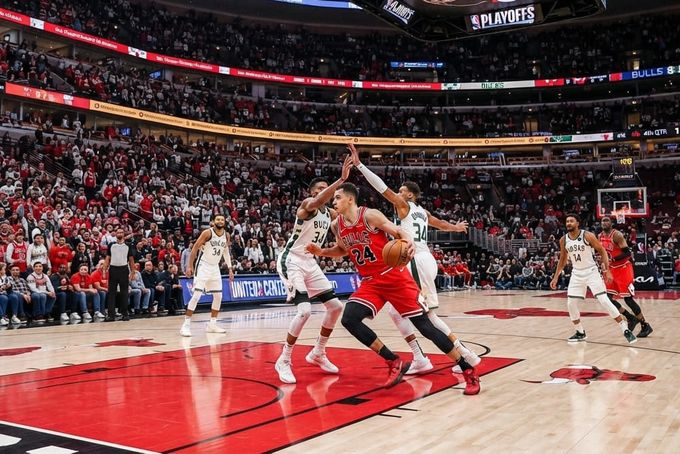
Twelve games on a Tuesday means hundreds of individual player lines, and no book on earth prices all of them with the same care it gives a single spread. That is the whole argument for NBA player props. The value is not hidden in the marquee matchup. It is scattered across the third-string center's rebound line and the sixth man's point total, and the bettors who do the nightly homework find it.
What an NBA Player Prop Is
A player prop is a bet on an individual's statistical output rather than the game result. The book posts a number, you take the over or the under, and the team result is irrelevant.
The core markets are points, rebounds, assists, and made three-pointers. Beyond those, you will find steals, blocks, turnovers, and combination markets such as points plus rebounds plus assists, usually shortened to PRA.
Prices sit near even on both sides, typically around -110 to -120, and the line moves as lineup news lands during the afternoon.
Why Props Are Where the Value Lives
A single NBA game has one spread and one total. It also has somewhere north of a hundred player markets.
Books allocate their sharpest attention to the markets that attract the most action. A star scorer's point line gets serious scrutiny. The backup power forward's rebound line does not receive the same treatment, and it moves less as news develops.
Props also respond to information that is genuinely knowable. Rotation changes, injury news, and matchup data are public. You are not predicting who takes the game, only how many shots a player is likely to get.
Where the Edge Actually Comes From
- Minutes above everything. Every prop is downstream of playing time. A player averaging 24 points in 34 minutes is a different bet entirely when a coach has signaled a reduced load. Before you look at any line, ask how many minutes the player is likely to see.
- Usage redistribution. When a primary scorer sits, those shot attempts go somewhere. The market usually adjusts to the obvious beneficiary and underreacts to the second- and third-in-line beneficiaries, which is where prop value clusters.
- Opponent pace. A team that plays fast gives both sides more possessions, which lifts every counting stat in the game. A grinding half-court opponent does the reverse. Pace is the most reliable structural input in prop betting.
- Matchup specifics. A guard facing an elite perimeter defender has a harder night than the same guard against a team switching everything. Rebound lines swing hard depending on whether the opponent crashes the offensive glass.
- Blowout risk. A heavy favorite that pulls away rests starters in the fourth quarter. Point and PRA overs on stars in projected blowouts carry a real risk that has nothing to do with how the player performs.
- Back-to-backs and rest. Load management is a genuine factor, and the announcement often comes hours before tip-off. Late news creates late line moves.
The Settlement Rules That Decide Your Ticket
Player props settle differently from team markets, and the differences matter.
- Overtime counts. For basketball match markets, BetWhale does not consider overtime unless a market expressly states otherwise. Player props are the exception: all overtime is included in settlement. An overtime period is free production for an over and a genuine hazard for an under.
- There is no minimum playing time. A player is treated as a runner the moment they enter the floor during live play, with the clock running. No minimum duration applies. If a player checks in, tweaks something, and leaves after ninety seconds, the prop still stands and settles on whatever they produced.
- Non-runners void. A player who never enters the game at all is a non-runner, and bets on their markets are voided with stakes returned. That is the protection for a late scratch, but it only applies if the player does not appear at all.
- Rebounds are individual only. Rebound markets settle on the sum of offensive and defensive rebounds credited to individual players in the official box score. Team rebounds, the ones logged at the team level without an individual credited, are excluded.
- The box score is the source. Props settle once the final official box score is available, with NBA.com as the data source for NBA games.
All of it is set out in the betting rules, and the runner rule in particular is worth reading before you bet on a player returning from injury.
Building a Nightly Routine
The bettors who do well at props are not smarter about basketball. They are more organized about the two hours before tip-off.
Check the injury report in the afternoon, then check it again when starting lineups are confirmed. Note which games are back-to-backs for either side. Identify the games projected to be lopsided and treat star overs there with caution. Look for the second beneficiary of any absence rather than the obvious one.
Then compare the line against your own projection. If they agree, pass. There are twelve other games.
How to Bet NBA Player Props at BetWhale
- Expand the player markets rather than betting on the headline lines.
- Confirm the player is expected to be available and check the projected minutes.
- Choose over or under, set your stake, and confirm the slip.
Odds are supplied by Vegas Sportsbook, so prop pricing tracks the wider US market.
Live Props
Prop lines reprice during the game, which suits anyone who wants to see the rotation before committing. A player who picks up two early fouls has a very different night ahead than the pregame number assumed. The live betting markets are where those adjustments happen.
Common Mistakes
Betting a name instead of a situation is the classic error. Star players in bad spots regularly miss numbers.
Ignoring the blowout scenario costs more than most bettors realize, because a fourth-quarter benching kills an over that was comfortably on track.
Assuming a questionable player who plays two minutes will void your bet is an expensive misunderstanding. Once they step on the floor, the ticket is live.

Bet Live NBA Props
React to early foul trouble and rotation adjustments with dynamic live in-play prop odds.
Do the Homework, Take the Number
Player props reward preparation more than any other market on the board. Check the minutes, check the pace, check who inherits the shots, and know exactly how your ticket settles before you place it. Get in on the action at BetWhale.
BetWhale is strictly for players aged 18 and over. Gambling carries financial risk, so set your limits and play responsibly. Support and tools are available on the responsible gaming page.
Frequently Asked Questions
What happens to my prop if the player does not play?
If the player never enters the game, they are a non-runner, and the bet is voided with the stake returned. If they enter at any point while the clock is running, the bet stands regardless of how briefly they play.
Does overtime count toward NBA player props?
Yes. All overtime is included in the settlement of basketball player props, even though basketball match markets do not consider overtime unless the market states otherwise.
Do team rebounds count toward a player rebound prop?
No. Rebound markets settle on the offensive and defensive rebounds credited to individual players in the official box score. Team rebounds are excluded.
Which props are best for beginners?
Rebound and assist lines for consistent starters tend to be more stable than point totals, because they depend less on shooting variance and more on role and minutes.
When do NBA prop lines move most?
In the hours before tip-off, once injury reports firm up and starting lineups are confirmed. Late scratches move the market hardest.
Where can I learn about the other markets?
The sports betting guides section covers spreads, totals, moneylines, parlays, and futures.