Rainbow Six Siege Attack vs. Defense Rounds: What Bettors Should Watch
A team's starting side, map preference, and mid-half operator bans directly influence Rainbow Six Siege scorelines and live odds. Understanding how attackers and defenders operate across different maps allows bettors to identify hidden value before and during matches. Evaluating side-specific round records rather than overall win rates provides a distinct edge when betting on R6 esports.


Published October 19, 2026
Ready to bet smarter on Rainbow Six Siege? Start with the sides. Every map is split between attackers, who have to break in, and defenders, who have to hold, and the balance between those two roles drives the scoreline.
Knowing who starts where, which maps favor which side, and how operator bans shift mid-map gives you a real edge. Here is what to watch before you check the esports odds at BetWhale.
How a Pro Rainbow Six Siege Map Works
Professional Siege is played in Bomb mode, five-on-five. Defenders set up around two bomb sites, and attackers have to plant a defuser on one of them and protect it until it detonates. Attackers can also take a round by eliminating all defenders, and defenders can take it by running out the clock, eliminating the attackers, or disabling a planted defuser.
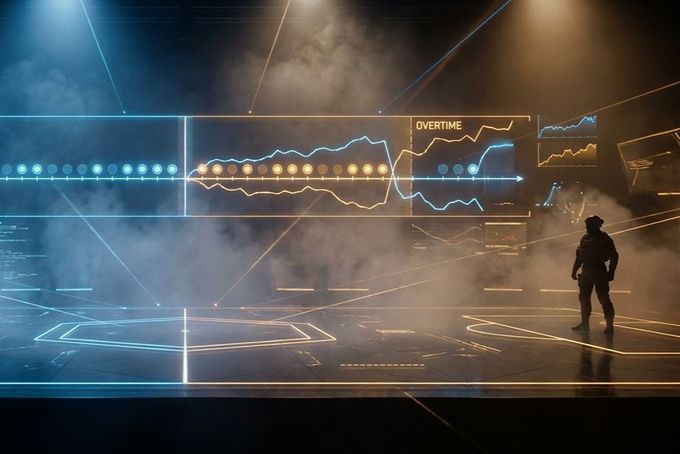
A regulation map runs for 12 rounds. Teams play six rounds on one side, then swap. The first team to seven rounds takes the map. If the score reaches 6-6, the map goes to overtime, where a team needs a two-round lead and sides switch every round.
Each round opens with a short preparation phase. Defenders reinforce walls and place gadgets, while attackers send drones in to scout the setup. Then the action phase begins, and attackers have three minutes to get the job done.
Who Picks the Starting Side
Side selection is part of the strategy. In official play, the team that did not pick the map chooses its starting side on it. Teams usually start on the side they consider stronger for that map, which gives them a chance to build an early lead and play the second half with less pressure.
That matters for betting. If a team picks a map it knows well, its opponent gets to choose the side. A strong defensive team that starts on defense can bank three or four rounds before it ever has to attack.
Attack vs. Defense: How Each Side Plays
Defense
Defenders have structure on their side. They know where the objective is, they control the space around it, and they have time to set up during the preparation phase. Reinforced walls, traps, and gadgets slow attackers down and force them to spend utility before they reach the site.
Strong defensive teams excel at holding angles, rotating between rooms, and roaming to pick off attackers who split up. A team with disciplined defense can turn even a slower-paced map into a tight, low-scoring contest.
Attack
Attackers have to create space. They drone, use utility to open walls and hatches, and coordinate pushes from several directions. The plant is the critical moment: once the defuser is down, the defenders must act.
Good attacking teams are flexible. They read the defense during the preparation phase, adjust their strategy mid-round, and trade kills cleanly when they enter a site. A team that struggles on attack can be strong on paper and still drop map after map.
How Operator Bans Shift the Balance
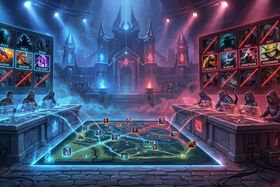
Operator bans are one of the most important and most overlooked parts of a Siege map. Before round 1, each team bans two operators. Before round 4, each team bans one more. The bans reset when sides swap, then step up again before round 10.
This gives each half two phases. Early rounds are played with a smaller ban list, and the extra bans in round 4 can remove a key piece of a team's plan. Watch for a team that has relied on one operator in the first three rounds. If the opponent bans it, that team's performance can drop mid-half sharply.
Maps and Side Balance
Each map has its own attack-and-defense balance, and teams build their map picks around it. The current competitive pool includes Bank, Border, Chalet, Clubhouse, Consulate, Kafe, Lair, Nighthaven Labs, and Fortress.
Some sites are easier to hold, and some are easier to break. Before you bet, check how both teams perform on each side of the map in question. Recent round records split by attack and defense tell you far more than overall map records.
Reading the Scoreline Through the Sides
A scoreline in Siege only makes sense when you know which side each team played. Here is how to read it:
- A 4-2 lead on the weaker side is a strong position. The leading team switches to its better side, needing only three more rounds.
- A 4-2 lead on the stronger side is less secure. The trailing team may take control after the swap.
- A 3-3 score at halftime usually favors the team moving to its preferred side.
Live odds react to the score, but they do not always account for side strength on a given map. That gap is where you can find value.
Markets to Watch
Market availability varies by match. These are the lines most shaped by attack and defense dynamics:
- Map winner: The team that takes the current map. This line moves with each round and swings at halftime.
- Total rounds: Over or under on the number of rounds played. Evenly matched teams that each hold their strong side often push a map toward overtime.
- Round handicap: The favorite must take the map by more than a set number of rounds.
- Series winner: The team that takes the full series, with the prize repricing after each map.
You can follow every live line in the live betting section, and check how esports markets settle on the betting rules page.
Where to Bet on Rainbow Six
The Rainbow Six betting board at BetWhale covers regional league action from around the world, including the Asia Pacific League, the China League, and the North America League. Stage 2 results also determine qualification for the season's next Major, so the stakes are high for teams.
Tips for Betting on Siege Sides
- Check side records, not just results. A team's attack and defense round percentages on each map tell you more than its overall record.
- Note who picked the map. The team that did not pick chooses the side, which often offsets the picking team's advantage.
- Watch round 4. The second ban phase can remove a key operator and alter the flow of a half.
- Respect the halftime swap. Adjust your read once you see which team moves to its stronger side.
- Set your stake before the map starts. Siege swings fast, and chasing a bad read rarely pays off.
Breach, Hold, and Make Your Call
Attack and defense are the heartbeat of every Siege map. Read the sides, watch the bans, and bet on Rainbow Six from your browser with no app needed. LET'S PLAY!
Must be 18+ to play. Please bet responsibly and visit our responsible gaming page for tools to manage your play.
Frequently Asked Questions
How many rounds are in a pro Rainbow Six Siege map?
A regulation map has 12 rounds, and the first team to seven takes it. At 6-6, the map goes to overtime, where a two-round lead is required.
When do teams switch sides in Siege?
Teams swap between attack and defense after round 6. In overtime, sides switch every round.
How does side selection work in pro Siege?
The team that did not pick the map chooses which side it starts on. On a deciding map, side choice goes to the team with the bigger round difference in the series.
Why do operator bans matter for betting?
Bans remove key operators from a team's plan. The extra ban before round 4 can change a team's strength mid-half, which can swing live odds.
Can I bet on Rainbow Six live at BetWhale?
Yes. Live markets are offered on selected Rainbow Six matches, so you can react to the score and side swaps as a map unfolds.